


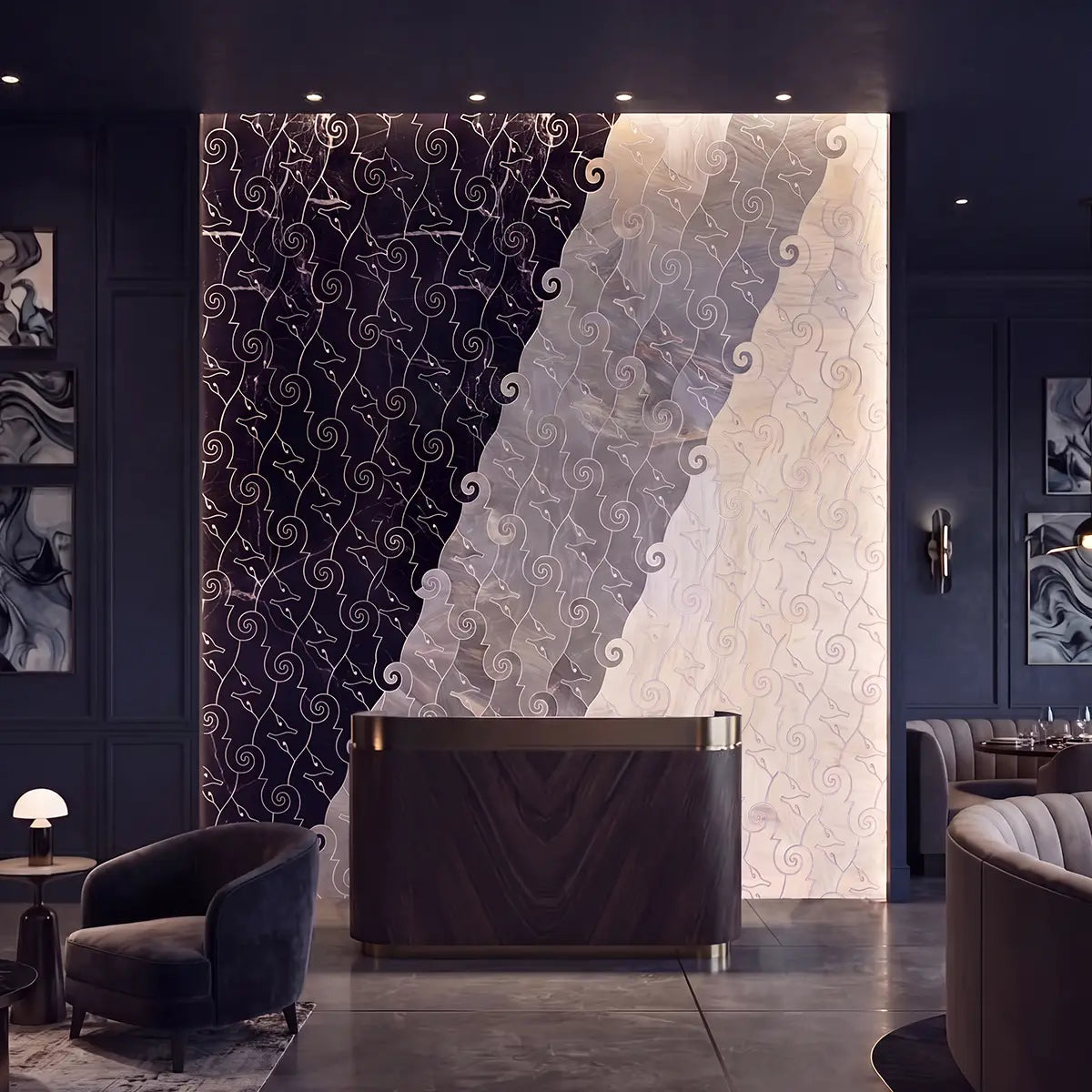


Miami Estates to Superyachts and Travertine Natural Stone
Travertine Tile vs. Other Natural Stones in Miami Estates to Superyachts: The Ultimate Guide for Luxury Interiors
When it comes to high-end home design in Miami Estates to Superyachts, choosing the right material is more than a construction decision—it’s a statement of style. Among the world’s most coveted natural stones, Travertine stands out for its timeless elegance and Mediterranean charm. But how does it compare to other giants like Marble, Limestone, or Slate?
Why Choose Travertine?
Travertine is a terrestrial sedimentary rock, formed by carbonate minerals in thermal springs. Its distinctive porous structure and warm earthy tones—ranging from ivory to deep walnut—provide a "lived-in" luxury that few materials can match.
Comparison at a Glance: Natural Stone Performance
To help you choose the best material for your next project, we’ve compared the top-performing natural stones based on durability, aesthetics, and maintenance:
| Stone Type | Aesthetic Appeal | Durability | Best For | Maintenance |
| Travertine | Warm, Textured, Earthy | High (if sealed) | Indoor/Outdoor Floors, Pools | Moderate |
| Marble | Elegant, Veined, Glossy | Moderate | Bathrooms, Countertops | High |
| Limestone | Uniform, Soft, Modern | Moderate | Wall Cladding, Facades | Moderate |
| Slate | Dark, Industrial, Rustic | Very High | Entryways, Wet Areas |
Low |
Travertine vs. Marble: The Battle of Elegance
While Marble is known for its high-gloss finish and dramatic veining, Travertine offers a more subtle, matte luxury. Travertine is particularly superior for outdoor applications like pool decks because it remains cool under the Florida sun and provides a natural slip-resistant surface.
Travertine vs. Limestone: Subtle Differences
Since Travertine is technically a type of Limestone, they share similar durability. However, Travertine’s unique "pitted" surface gives it more character and texture, making it the preferred choice for accent walls and luxury flooring that requires a more organic feel.
Expert Maintenance Tips
-
Sealing is Key: To protect the natural beauty of Travertine, always apply a high-quality sealer to prevent staining in high-traffic areas.
-
Neutral Cleaners: Never use acidic cleaners (like vinegar) on natural stone; stick to pH-neutral solutions to maintain the finish.
Conclusion: Which is Right for Your Project?
If your goal is to create a space that feels warm, timeless, and sophisticated, Travertine is an unbeatable choice. Whether you are designing a sun-drenched patio in Miami or a modern kitchen backsplash, this stone brings the beauty of nature into your home.
Miami Boat Show 2026 Special: As the world’s most elite vessels gather at the Miami International Boat Show this week, the trend in marine interior design is leaning towards lightweight, ultra-thin natural stone veneers. Travertine and marble are no longer just for villas; they are the new standard for luxury yacht bathrooms and deck lounges, offering a seamless transition from sea to shore.
| Stone Type | Aesthetic | Best For | Yacht Suitability |
| Travertine | Warm, Earthy | Pool Decks | High (Non-slip for wet decks) |
| Marble | Elegant | Bathrooms | High (Luxury master cabins) |
| Limestone | Modern | Wall Cladding | Medium (Lightweight veneers) |


Leave a comment
This site is protected by hCaptcha and the hCaptcha Privacy Policy and Terms of Service apply.