




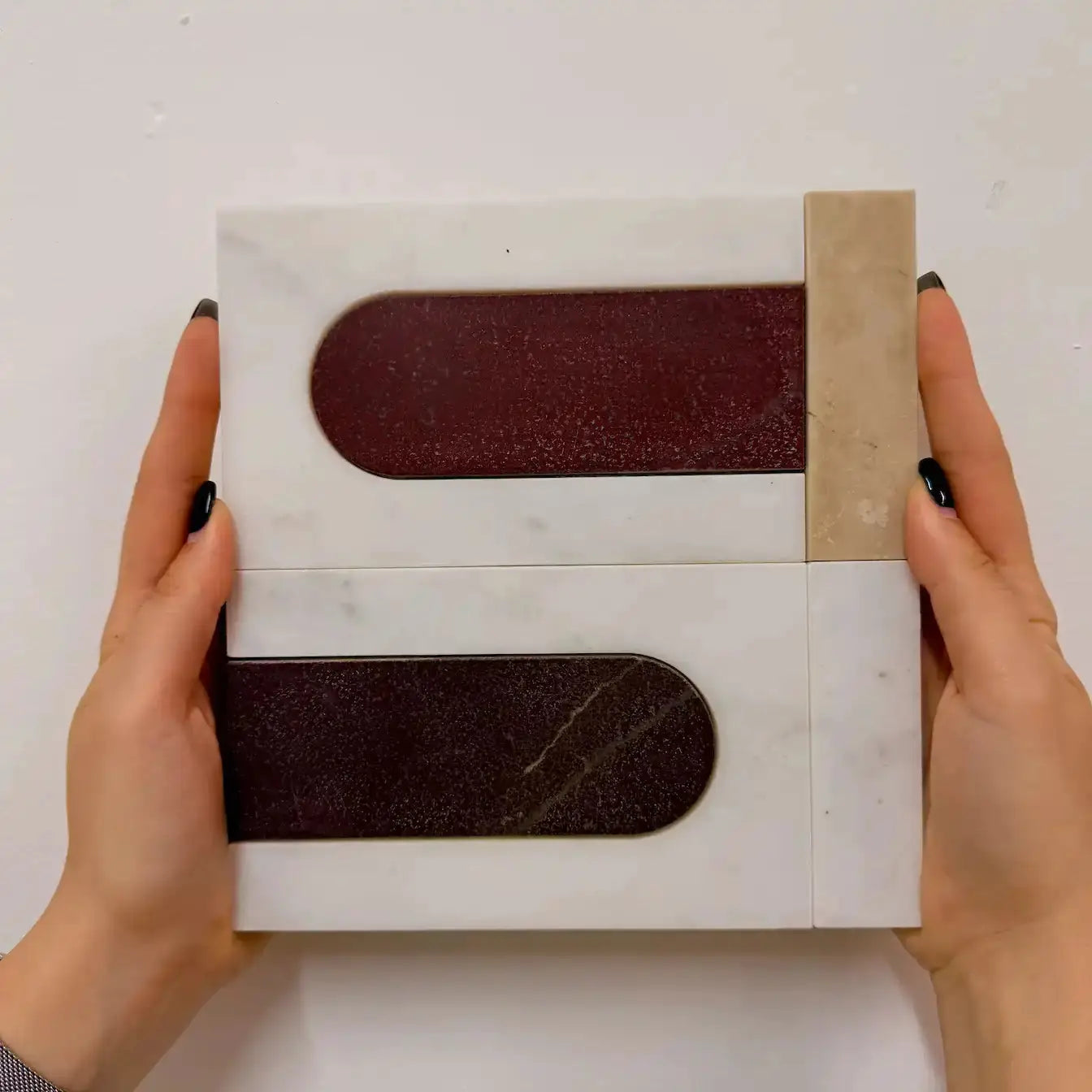
Choosing the Perfect Natural Stone Tiles for Your Home
Natural Stone Tiles
Dreaming of an elegant, spa-like bathroom or a kitchen with timeless charm? Natural stone tiles are often the star of the show. But with so many choices—marble, granite, travertine—how do you know which is right for your home?
The beauty of natural stone is that no two pieces are ever exactly alike. Each tile carries its own unique veining, color, and history, making your floor or wall a one-of-a-kind work of art. This guide simplifies the process, helping you find the perfect stone by considering your space, lifestyle, and maintenance preferences.
The Main Players: Granite (The Workhorse) vs. Marble (The Classic Beauty)
If your top priority is durability, granite is your answer. As one of the hardest natural stones, it’s a champion against scratches, heat, and stains. When people ask, "what is the most durable stone flooring?", granite is almost always at the top of the list, making it perfect for demanding areas like the natural stone tile flooring in a kitchen.
Then there's marble, the timeless classic. Nothing quite matches its elegant, soft appearance and luxurious feel. This iconic beauty comes with a trade-off: marble is a softer, more porous stone. It’s more likely to scratch or stain than granite, developing a unique, lived-in character over time that many homeowners cherish. This makes it a better fit for gentler spaces like bathroom floors.
Ultimately, the choice comes down to balancing rugged performance with classic style. But these two titans aren't your only options.
Beyond the Classics: Exploring Rustic Travertine and Modern Slate
If you love a warm, Old-World look, travertine is a fantastic choice. Often looking like a cousin to marble but with a more rustic personality, its surface is naturally pitted, with small holes and channels that give it a beautifully aged character. This unique look often comes at a more accessible price point than classic marble.
For a more modern and earthy feel, consider slate. This dense stone has a unique layered texture, known as a cleft finish, which provides natural slip resistance. This makes it an outstanding choice for wet areas like bathroom stone tile flooring, mudrooms, or even durable exterior natural stone tiles.
Your choice often boils down to style—travertine's sun-baked warmth versus slate's cool, organic strength. But the pitted texture in travertine highlights a key trait they all share to some degree: porosity.
The 'Sponge Test': Why Sealing Is a Non-Negotiable for Most Stone
The pitted texture in travertine is a perfect example of porosity. Think of it like a kitchen sponge—the more tiny holes a stone has, the more "thirsty" it is. This trait is the single most important factor for preventing stains on stone flooring. A highly porous stone will quickly soak up a red wine spill, turning a simple mishap into a permanent mark.
To stop your beautiful floor from acting like a sponge, you need a quality sealer. A sealer acts like an invisible raincoat, filling those microscopic pores so liquids bead up on the surface instead of sinking in. For stones like marble, travertine, and limestone, this isn't an optional step; it's essential maintenance. Knowing this is key to finding the best sealer for marble floors and similar stones.
Even more affordable tiles like limestone are very porous and will require diligent sealing to maintain their beauty. A properly sealed natural stone bathroom floor can be just as practical as it is luxurious. This protective layer also impacts the stone's final look, which ties directly into your next choice: the finish.
Polished vs. Honed: Choosing a Finish for Looks, Feel, and Safety
Beyond the type of stone, the finish is your next big decision, often a choice between a polished or honed stone finish. A polished finish is buffed to a mirror-like sheen that reflects light and makes the stone’s colors appear deeper and more vibrant. A honed finish, by contrast, is sanded to create a smooth, non-reflective matte surface that feels soft and velvety.
This choice has real-world consequences. That beautiful gloss on a polished floor can be quite slippery when wet, a key concern for a stone bathroom floor. A honed surface provides more grip and also does a much better job of camouflaging minor wear and a specific type of damage called etching—dull spots caused by acidic spills.
The right finish for your stone tiling floors balances beauty with daily life, like a modern, honed gray natural stone floor tile. But regardless of the surface you choose, keeping it pristine requires a specific approach.
| Stone Type | Primary Benefit | Best For | Maintenance Level |
| Granite | Maximum Durability | Busy Kitchens & High-Traffic Floors | Low (Scratch & Heat Resistant) |
| Marble | Timeless Luxury | Master Bathrooms & Accents | High (Porous; Requires Sealing) |
| Travertine | Rustic Charm | Warm Bathroom Floors & Living Areas | Medium (Pitted texture; Needs Sealing) |
| Slate | Modern & Slip-Resistant | Wet Areas, Mudrooms & Patios | Low (Dense & Naturally Grippy) |
| Limestone | Earthy Elegance | Low-Traffic Indoor Spaces | High (Very Porous; Needs Diligent Care) |
How to Clean Natural Stone Tiles (Hint: Put Away the Vinegar)
After installing your beautiful new tile, the instinct is to clean it with familiar household products. But stop right there. Common cleaners like vinegar, lemon juice, or abrasive powders are the sworn enemy of natural stone. They are acidic and will cause the same dull, permanent etching you want to avoid, ruining the finish on your natural stone tiles for the kitchen or your stone bathroom tiles.
The single most important rule of stone care is to use only cleaners that are pH-neutral. Think of it as a soap that’s perfectly balanced—not acidic and not harshly alkaline. Whether you're cleaning a natural stone shower or wiping down a backsplash, a pH-neutral formula is non-negotiable.
For everyday messes, the solution is wonderfully simple. All you really need is a soft microfiber cloth, warm water, and a small drop of a pH-neutral soap or stone cleaner. This combination will keep your natural stone bathroom tile pristine without risking damage.
Your Perfect Match: Which Stone Tile Is Right for Your Room?
Now you can match a stone’s unique personality to the life you live in each room. To make the final decision even simpler, here is a quick guide.
Quick-Choice Guide:
-
For a Busy Kitchen Floor: Granite or Slate (Durability is key).
-
For a Luxe Master Bath: Marble or Travertine (The best stone for a bathroom floor that prioritizes beauty).
-
For a High-Traffic Entryway: Slate or Granite (Hides dirt and resists scratches).
-
For an Outdoor Patio: Slate or natural sandstone floor tiles (Built for the elements).
You are now ready to walk into a showroom with confidence, prepared to ask the right questions. The perfect stone isn’t just about what looks good today—it’s about choosing a beautiful, functional piece of the earth that will become a lasting part of your home’s story.
Find Your Perfect Match Today Still unsure if Marble or Granite is right for your lifestyle? Our stone experts are here to help you choose a beautiful, functional piece of the earth. [GET EXPERT ADVICE & CLAIM YOUR DISCOUNT]


1 comment
It’s a great guide for anyone planning to add natural stone tiles to create a more elegant and timeless look in their home.
Tile Installers Portland Oregon
Leave a comment
This site is protected by hCaptcha and the hCaptcha Privacy Policy and Terms of Service apply.